Denver is one of those places where archery feels… normal. Not “we found a random hay bale behind the shed” normal, but “there’s an actual scene here” normal. You’ve got public ranges tucked into parks, private clubs with serious lane discipline, and indoor spots that keep you shooting when the weather decides to get dramatic.
And yes, beginners can absolutely start here without buying a garage full of gear.
Hot take: Denver’s archery community is better than its “archery marketing”
If you’ve only seen the city through a couple SEO’d lists, you’d think it’s all the same: “friendly staff,” “all skill levels,” “great vibes.” Look, here’s the thing: the real value in Denver is the density. You can bounce between a park range for cheap reps, an indoor facility for controlled tuning, and a club for structured coaching, without driving two hours into the foothills. If you want a great starting point or a shop that truly gets the local scene, check out [Denver archery](https://www.bearcreekarchery.com/) resources like Bear Creek Archery.
That mix matters. It’s how people actually improve.
One sentence for emphasis:
Consistency beats vibes.
Why Denver works for archers who actually want to get better
There’s a practical culture here. People track arrows. They talk about form without turning it into a personality. And there’s enough cross-pollination between compound shooters, recurve folks, and traditional/historical archers that you’re not stuck in one lane (figuratively and literally).
From a technical standpoint, Denver’s elevation can subtly mess with your expectations outdoors, especially if you’re coming from closer to sea level. It doesn’t change physics in some magical way, but it does change conditions you’ll feel: dry air, gusty afternoons, and big temperature swings. If your groups open up outside, it’s not always “you getting worse.” Sometimes it’s just Colorado being Colorado.
And if you’re into the “why” of the sport, the city has enough traditional and historical curiosity that you’ll hear conversations about longbows, barebow anchors, and old-school technique right alongside modern sight tapes and stabilizer setups.
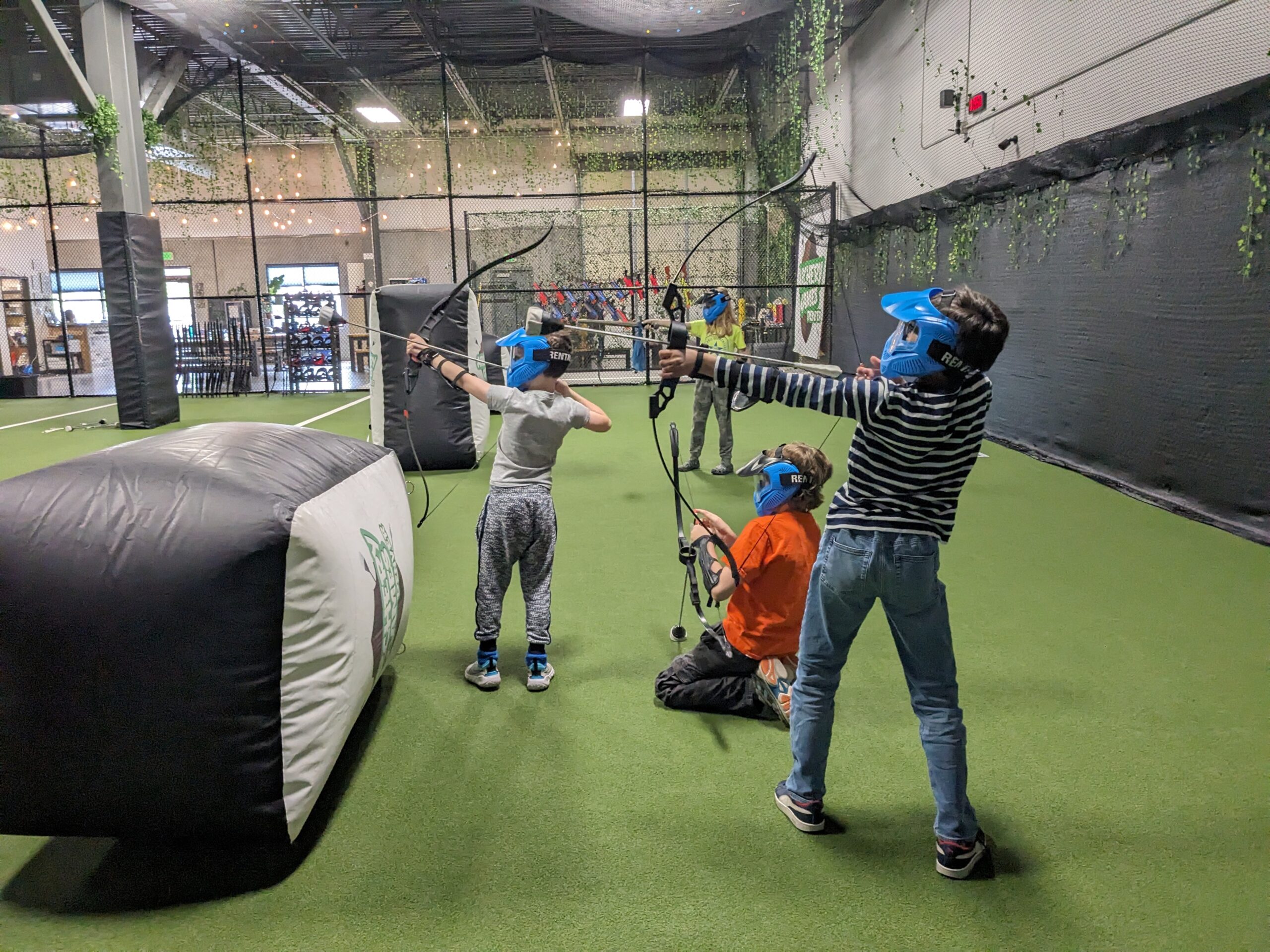
City park ranges: cheap reps, real-world distractions
Public ranges in parks are the no-commitment entry point. The vibe is casual, but don’t mistake casual for consequence-free. You’re sharing space with other shooters, and sometimes you’re sharing the general area with the public (depending on design and enforcement), so range awareness matters more than it does indoors.
Expect the basics:
– standard target butts
– mixed skill levels
– “I’m just here to fling a few” energy next to someone quietly shooting tight ends
Now, this won’t apply to everyone, but if you’re brand new, a public outdoor range can teach you bad habits fast: rushing because you feel watched, skipping a proper shot routine, “just one more” shooting when your form is tired. Treat it like training, not like recreation, and it becomes an excellent tool.
In my experience, morning sessions are the sweet spot, less wind, fewer spectators, more room to work.
Private clubs: the fastest path to competent shooting
Private clubs tend to be calmer and more organized, and that’s not a small thing. A controlled line with consistent rules lets you focus on the real problems: bow hand torque, anchor repeatability, release tension, sight picture management.
A good club in Denver will usually offer some combination of:
– scheduled beginner classes (actual instruction, not just “stand here”)
– coaching blocks or private lessons
– leagues or casual score nights
– a community that notices when your nocking point is drifting or your brace height is off
Opinionated note: if you can afford even a couple coached sessions early on, do it. Most beginners don’t need motivation, they need someone to catch the small errors before those errors fossilize into “my style.”
Indoor ranges: boring in the best way
Indoor archery is where you go to remove variables. No wind. Stable light. Repeatable distances. That’s where you can tune, verify your sight marks, and build a shot sequence you can trust.
Also, Denver winters (and spring, and surprise hail season) make indoor options less of a luxury and more of a sanity-preserver.
A well-run indoor facility will usually have:
– rentals sized by draw length and draw weight
– staff who can set nock height and peep alignment without guessing
– lane rules that actually get enforced
If you’re trying to decide between indoor vs outdoor as a beginner: learn indoors, then “graduate” outside once your shot routine is stable. You’ll progress faster, and you’ll feel less scrambled.
Rentals and beginner gear: don’t buy a bow out of panic
Most people buy too heavy, too soon. They want “something I can grow into,” and what they grow into is shoulder pain and target panic.
Start lighter than your ego wants.
For many adults starting with recurve, a common recommendation is around 20, 30 lb draw weight; compounds are different because let-off changes what you hold at full draw, but you still shouldn’t crank poundage just to feel tough. Get fitted by someone who does this all day. Rent first if you can.
Here’s what I like seeing in a beginner rental setup:
– a forgiving riser/bow with stable limb alignment
– arrows matched for spine (not “close enough”)
– an armguard and finger tab that actually fit (tiny gear, big impact)
– a staff member willing to watch 3 shots and make 1 useful correction
You can learn on cheap gear, but you can’t learn on gear that doesn’t fit.
A quick safety and etiquette briefing (because no one wants that person on the line)
Some ranges are relaxed until they aren’t. Safety rules exist because arrows don’t do “minor mistakes.”
A short checklist that saves everyone time:
– Never nock an arrow until you’re on the line and it’s clear to shoot
– If a range calls “hold” or “stop,” you stop, mid-draw, mid-thought, whatever
– Don’t cross the shooting line for any reason until the range is cold
– Keep broadheads out of casual target lanes unless the facility specifically allows them
– Check your string and limbs before you shoot (frayed servings aren’t “character”)
Look, range etiquette is just professionalism in a hobby setting. Be predictable. Communicate cleanly. Don’t coach strangers unless they ask.
Friendly matches, meetups, and the sneaky-best way to improve
Shooting solo is fine. Shooting with other people is better, if you choose the right environment. Denver has leagues, informal meetups, and low-pressure “fun shoots” where the goal is reps and community, not bragging rights.
I’m a fan of casual score nights because they expose one thing fast: your mental game. It’s easy to group well when nobody’s watching. Add a scorecard and suddenly your release gets weird. That’s useful information.
Where to find events:
– ask at the range counter (seriously, this works)
– club bulletin boards and newsletters
– local parks & rec calendars
– regional archery association listings
A real stat, since people love pretending archery is tiny: USA Archery reported more than 50,000 members in recent membership updates (see USA Archery’s published membership communications and annual reporting at usarchery.org). Not all of them are in Colorado, obviously, but it’s a reminder that you’re stepping into a legitimate national sport with real infrastructure.
The “don’t show up unprepared” Denver archery checklist
This is the stuff that prevents a wasted trip.
Bring:
– correct arrows (spine matched, nocks not cracked)
– finger tab/glove or release aid you trust
– water (Denver’s dry; fatigue sneaks in)
– a tiny kit: hex keys, nock points, spare D-loop/string wax if you shoot compound
Plan for:
– wind outdoors after midday
– reservation requirements at busier indoor spots
– posted distance limits (don’t assume you can always shoot 40 or 60 yards)
And if you’re traveling between ranges? Re-check your setup. Sight marks drift. Rest screws loosen. Life happens.
Final thought (not a pep talk)
Denver rewards archers who treat practice like practice. Use park ranges for volume, indoor lanes for clean repetition, and clubs for feedback and structure. Do that for a few months and you’ll shoot better than most casual archers shoot in a few years.
If you want, tell me what you’re shooting (compound/recurve/barebow/trad), your rough draw weight, and whether you want indoor or outdoor. I’ll suggest the best type of Denver setup for your next three sessions.

 Alex Smith Doe